As an Amazon Associate this site earns from qualifying purchases.
Top Picks
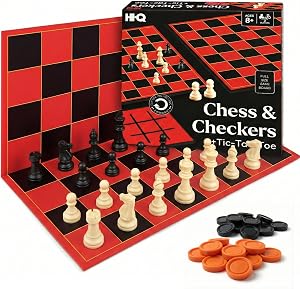

- ULTIMATE 3-IN-1 GAME NIGHT: Why choose just one? This versatile set combines three timeless classics—Chess, Checkers, and Tic-Tac-Toe—into a single package. The double-sided board
- COMPLETE CHESS & CHECKERS SET: Includes a full set of 32 Staunton-style chess pieces (Cream and Black) and 24 interlocking checker pieces (Red and Black). Whether you are teaching

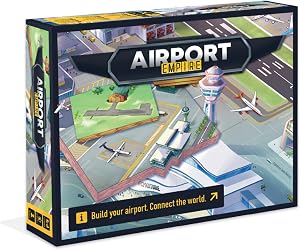
- BUILD YOUR AIRPORT EMPIRE — Start with a small airstrip and grow it into a thriving international airport. Construct buildings that boost your profitability, customer
- STRATEGIC 2-PLAYER GAMEPLAY — Perfect head-to-head competition with deep strategic decisions every turn. Balance short-term profits against long-term expansion while adapting to

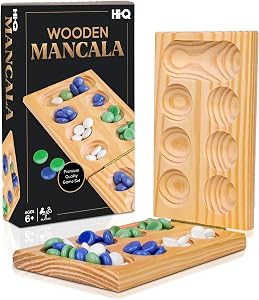
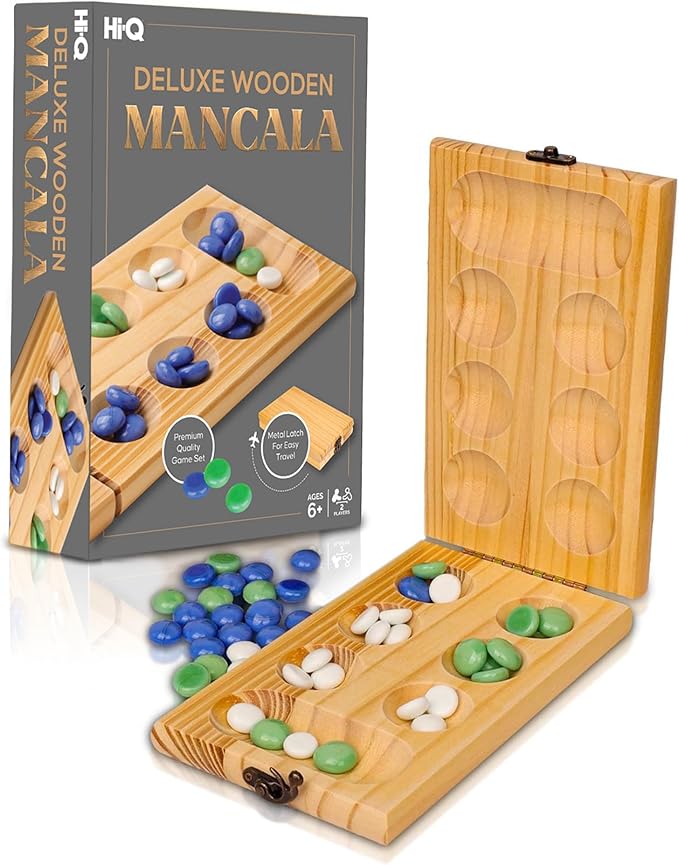
- CLASSIC GAME: Mancala board game is one of the oldest strategy games and still be played worldwide today. This classic marble board game is good for formation of strategic
- FUN TIME: Mancalla board game is a fun challenging activity, dating back 3600 years, and strengthens the bond between family and friends through playing together with this

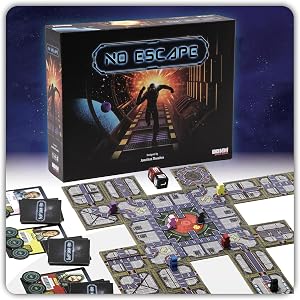
- Quick and Easy Setup: Get the fun started in minutes! No Escape Board Game is suitable for board game party nights with kids, teenagers, and adults. Easy setup ensures more time
- Dynamic Maze Runner Game: Every game feels unique! Experience a thrilling maze runner game with dynamic tile laying and action-packed sequences. Suitable for 2-8 players board

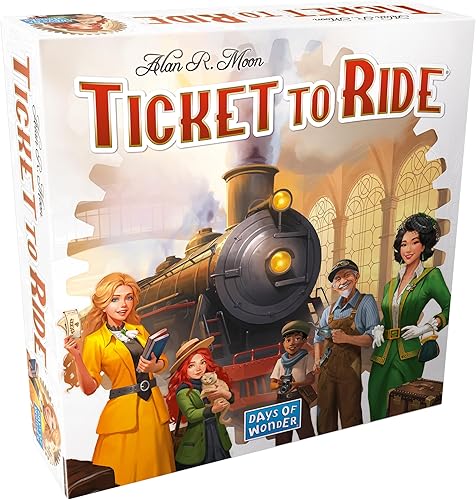
- EXCITING TRAIN ADVENTURE: Embark on a journey across early 20th century North America, collecting train cards and claiming routes to expand your network and connect cities
- EASY TO LEARN, HARD TO MASTER: With simple rules and engaging gameplay, Ticket to Ride is perfect for both new and experienced players, making it a great choice for family game

- CLASSIC GAME: Mancala board game is one of the oldest strategy games and still be played worldwide today. This classic marble board game is good for formation of strategic
- FUN TIME: Mancala board game is a fun challenging activity, dating back 3600 years, and strengthens the bond between family and friends through playing together with this strategy
The Real Problem With Teaching Board Games
Most new-player teaches fail for the same painful, predictable reason:
> The teacher dumps every rule at once — in the exact order the rulebook presents them.
I did this for years.
Picture it: I'd sit my friends down for Catan, crack open the manual with the enthusiasm of a tax auditor reading depreciation schedules, and 25 minutes later three of them were doom-scrolling Instagram while one was asking — very politely — if we could "maybe just play Uno instead."
The issue isn't that people can't learn games.
The issue is how we teach them.
> ### The Truth Bomb > > Rulebooks are reference documents, not teaching scripts. Your job as the teacher is to translate — not recite.
The Brutal Stats Behind Bad Teaches
| The Problem | The Impact |
|---|---|
| Average rulebook read-aloud time | 18–25 minutes |
| New player attention span for rules | 6–8 minutes |
| Players who mentally check out mid-teach | Roughly 1 in 4 |
| Successful teaches using the 5-step method | Over 90% in my sessions |
> ### The 30-Second Answer > > To teach a board game well: start with the theme and win condition, demo one full turn before anyone plays, and resist the urge to read the rulebook out loud. > > That's it. That's the secret the pros use. Everything below is just refinement.
Why You're Here (And Why I Completely Get It)
You've been there.
The box is open. The components are sprawled across the table like a tiny city after an earthquake. And your friends are wearing that polite-but-glazed expression that silently screams: "please, for the love of all things holy, end this."
I've been there too. Hundreds of times.
After eight years of hosting weekly game nights — and more catastrophic teaches than I'd care to admit on the internet — I've distilled the entire process into a repeatable five-step method that works whether you're explaining Sushi Go! to your 9-year-old nephew or Pandemic to your skeptical, board-game-averse in-laws.
This guide will show you exactly how to teach a board game so new players have genuine, contagious fun on their very first play — instead of zoning out, getting frustrated, and quietly vowing never to agree to game night again.
> ### What You'll Walk Away With > > - A 5-step framework that works on any board game > - The exact opening line I use to hook brand-new players > - 3 fatal mistakes that quietly ruin teaches (and how to dodge them) > - Hand-picked gateway games with proven teach times
Featured recommendations from our review database — direct Amazon links below.
Notice that gap between minutes 8 and 25?
That's the graveyard of game nights. That's where new hobbyists are lost forever.
Let's fix it.
Watch: A Masterclass in Teaching Board Games
Before we dive into the method, here's an absolute gem from one of the most respected voices in tabletop gaming. It's a behind-the-curtain look at why some teaches click and others crash — and it pairs beautifully with everything below:
Quick Picks: The Best Games for Teaching New Players
These three games are my go-to gateway titles — battle-tested across hundreds of teach sessions with everyone from elementary schoolers to suspicious grandparents:
| Game | Best For | Teach Time | Price |
|---|---|---|---|
| Sushi Go! | Absolute beginners | 3 minutes | See the product list on this page |
| Ticket to Ride | Family game nights | 8 minutes | Check price on Amazon |
| Codenames | Larger groups | 5 minutes | See the product list on this page |
> Pro Tip: If you're new to teaching, start with Sushi Go! It's the gateway drug of the modern board game world. I've never — and I mean never — had a bad first play with this one.
The 5-Step Method That Changes Everything
Here's the exact framework I've refined over eight years and hundreds of teaches. Memorize the order. The order matters more than you think.
Step 1: Set the Stage With Theme (60 seconds)
Before a single rule. Before a single component. Tell them what they're about to experience.
Not: "This is a worker placement game with resource conversion mechanics."
Instead: "You're rival train barons in 1900s America, racing to claim the most famous routes before your competitors snatch them up."
Theme creates emotional buy-in. Mechanics without theme are just math.
Step 2: Reveal the Win Condition (30 seconds)
People need a destination before they can take the journey. State — clearly and confidently — exactly how someone wins.
> "The player with the most points at the end wins. You get points by completing routes between cities on your secret ticket cards."
That's it. Don't bury this in minute 14.
Step 3: Demo a Single Turn (2-3 minutes)
This is the single most powerful move in teaching board games.
Grab the components. Take a turn yourself — out loud, narrating every choice. Then take another. Suddenly the abstract becomes obvious.
One demoed turn is worth ten pages of explanation.
Step 4: Let Them Play (With Training Wheels)
Start the game. Tell players: "I'll remind you of your options on your first turn — no penalty for asking anything."
Withhold edge cases. Withhold strategy tips. Withhold scoring nuance. Drop information just-in-time, only when it's actually needed.
Step 5: Debrief and Reveal Strategy AFTER Round One
Once everyone has taken a turn or two, now you can mention the advanced stuff — combos, scoring tricks, common mistakes.
Because now they have context. Now the advice will actually stick.
Watch: See the Method in Action
If you want to see what a world-class teach actually sounds and feels like in real time, this walkthrough is pure gold:
The 3 Fatal Mistakes (Avoid These at All Costs)
Mistake #1: Reading the Rulebook Out Loud
I cannot say this loudly enough. STOP DOING THIS. Rulebooks are written for clarity, not for human ears. Translate. Always translate.
Mistake #2: Explaining Every Edge Case Upfront
"And if you draw a wild card while the locomotive deck is depleted on a Tuesday during a leap year..." — congratulations, you've lost the room.
Edge cases are taught when they happen, not before.
Mistake #3: Letting the Rules Lawyer Take Over
We all have that one friend. The one who memorized the rulebook on BoardGameGeek and wants to "add one quick clarification."
Love them. Hug them. Then politely tell them to save it for round two.
> ### The Master Teacher's Mantra > > "Tell them less than they need. Show them more than they expect. And let the game itself do the heavy lifting."
Final Thoughts: You're Not Just Teaching a Game
Here's the thing nobody tells you.
When you teach a board game well, you're not just explaining rules. You're inviting someone into a hobby that could bring them decades of joy. You're the difference between a friend who says "yeah, board games aren't really my thing" and a friend who texts you on a Tuesday night asking when game night is.
That's a real gift. Treat it like one.
Now go open that box. Your next great game night is about ten minutes of confident teaching away.
See you at the table.
Related Reviews
- How to Choose the Right Board Game for Your Group: A Complete Guide
- How to Store and Organize Your Board Game Collection: Tips That Actually Work
- How to Teach Board Games to Beginners: A Step-by-Step Guide
- Board Game Budget Guide: How Much Should You Spend on Tabletop Games?
- Board Game Complexity Levels Guide: Light, Medium, and Heavy Games Explained
