As an Amazon Associate this site earns from qualifying purchases.
Top Picks

> ### THE 30-SECOND ANSWER > > Stand your board game boxes vertically like books on sturdy shelves (IKEA Kallax cubes are the gold standard), keep them at room temperature away from direct sunlight, and use small bins or zip bags inside each box to corral loose components. That's the foundation. Everything else is refinement.
I've been collecting tabletop games since 2014, and at last count my shelves hold 187 titles ranging from tiny card games to Gloomhaven-sized monsters that could double as coffee tables. After moving apartments twice and watching a friend's warped Catan board sag in a humid garage like a sad pancake, I've learned what works the hard way.
This guide is what I wish someone had handed me back when my collection was 20 games stacked in a sad, dusty closet in 2014.
| The Stat | The Reality |
|---|---|
| Total Games Owned | 187 |
| Years Collecting | 10+ |
| Games Ruined by Bad Storage | 4 (RIP) |
| Apartment Moves Survived | 2 |
| Hours Spent Reorganizing | Honestly? Too many |
| Bags of Silica Gel Hoarded | Embarrassing |

- EPIC PANDEMIC JOURNEY: Join a disease-fighting team on the brink of disaster in Pandemic Legacy Season 1. Battle four deadly diseases for an entire year, where each month holds
- UNIQUE NARRATIVE EXPERIENCE: Craft your own one-of-a-kind Pandemic adventure with the "legacy" mechanic. Your decisions impact not only your current game but also shape the

- THE GAME OF KINGS: Introduce your family to the world’s most popular strategy game. This classic chess set is the ideal entry point for beginners and a reliable standard set for
- EDUCATIONAL & ENGAGING: Chess is proven to enhance memory, concentration, and logical thinking. It is the ultimate STEM gift that challenges the mind and builds patience in

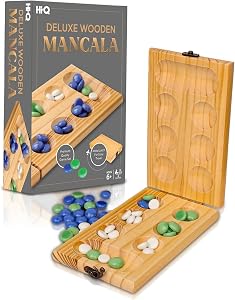
- CLASSIC GAME: Mancala board game is one of the oldest strategy games and still be played worldwide today. This classic marble board game is good for formation of strategic
- FUN TIME: Mancala board game is a fun challenging activity, dating back 3600 years, and strengthens the bond between family and friends through playing together with this strategy

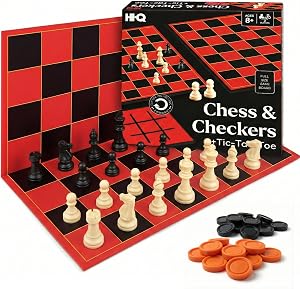
- ULTIMATE 3-IN-1 GAME NIGHT: Why choose just one? This versatile set combines three timeless classics—Chess, Checkers, and Tic-Tac-Toe—into a single package. The double-sided board
- COMPLETE CHESS & CHECKERS SET: Includes a full set of 32 Staunton-style chess pieces (Cream and Black) and 24 interlocking checker pieces (Red and Black). Whether you are teaching

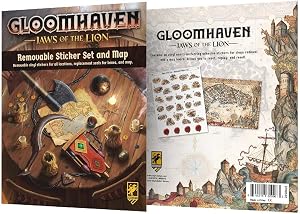
- Award-winning base game in the Gloomhaven universe that includes everything you need to have 90+ thematic roleplaying sessions with tactical combat
- Play together with up to 4 players or tackle the campaign alone as a solo mercenary. Decide and shape how your character grows and their story progresses
The Painful Truth About How Most People Store Board Games
Here's the dirty secret the hobby doesn't talk about enough: most board game boxes were designed to be stacked horizontally on a retail shelf for six weeks, not to live in your home for decades.
When you pile them flat, the boxes on the bottom slowly crush under the weight like geological strata forming in your living room. I lost the original lid on my first copy of Ticket to Ride this exact way — three years of heavier games stacked on top warped the cardboard so badly the lid wouldn't close flush anymore.
Watching that lid slowly cave in felt like watching a friendship slowly drift apart.
> ### "Setup time balloons. Game nights die slow deaths from setup friction." > > — Every collector who's ever lived this nightmare
The other big issue? Component chaos. Open a six-month-old copy of Cephalofair Games: Gloomhaven 2nd Edition that wasn't organized inside, and you'll find a horror show:
- Resource cards mingling suspiciously with development cards
- Road pieces tangled with settlements like a bad family reunion
- That one rogue robber hiding under the rulebook, plotting
- A mysterious die from a completely different game (where did you come from?)
- Cookie crumbs (don't ask)
- A single Monopoly hotel (still don't ask)
See It In Action: Pro Storage Techniques
Before we dive deeper, watch this excellent walkthrough of real collector storage setups — it visualizes everything we're about to cover and will absolutely change how you see your shelf:
Quick Picks: Games That Store Beautifully
Not all boxes are created equal. Some games arrive with thoughtful inserts that make organization effortless and almost spiritual. Others... well, others come with a flimsy plastic tray that shatters the moment you breathe on it.
| Game | Box Size | Storage Difficulty | Price |
|---|---|---|---|
| Sushi Go! | Tiny tin | Effortless | See the product list on this page |
| Exploding Kittens | Small box | Easy | See the product list on this page |
| Azul | Medium box | Moderate | See the product list on this page |
| Wingspan | Large box | Easy (great insert) | See the product list on this page |
| Cephalofair Games: Gloomhaven 2nd Edition | Massive | Bring a forklift | $140+ |
The Golden Rules of Board Game Storage
After a decade of trial, error, and one tearful goodbye to a water-damaged Pandemic Legacy, here are the commandments I live by:
Rule 1: Vertical Is Non-Negotiable
 If you take one thing from this entire guide, let it be this: stand your boxes upright. Like books. Always.
This single change eliminates 90% of long-term box damage. The pressure that crushes horizontal stacks disappears the moment gravity stops fighting your cardboard.
> EXPERT TIP: For very tall, heavy boxes (looking at you, Gloomhaven), store them on the bottom shelf with the spine facing out. The weight stays low, and you won't pull a back muscle reaching for them.
Rule 2: The Kallax Is King
 I resisted the IKEA hype for years. I was wrong.
The IKEA Kallax shelving unit has cube dimensions of 13 x 13 inches, which — by some miracle of Swedish design — perfectly accommodates the vast majority of standard board game boxes. Ticket to Ride? Fits. Wingspan? Fits. Most Euro boxes? Glove-tight.
It's like they designed the furniture for us.
Rule 3: Climate Matters More Than You Think
 Cardboard is alive. Well, not literally — but it breathes, swells, and warps with humidity changes like a moody houseplant.
| Condition | What Happens |
|---|---|
| Direct sunlight | Box art fades to ghostly pastels in months |
| Humid garage | Warped boards, moldy cards, sticky tokens |
| Cold attic | Brittle plastic, cracked miniatures |
| Cozy living room | Your games live forever |
The sweet spot: 65-75 degrees Fahrenheit, 40-50% humidity. Basically, wherever you'd be comfortable in a t-shirt.
Conquering the Inside of the Box: Component Organization
Getting boxes on shelves is the easy part. The real wizardry happens inside each box, where most collectors lose hours of their lives to setup chaos.
The Holy Trinity of Internal Organization
1. Zip-top bags (the budget MVP)
A $10 variety pack of small plastic bags will revolutionize 80% of your collection overnight. Sort components by type, by player color, by phase — whatever makes setup feel like flipping a switch instead of solving a puzzle.
2. Plano tackle boxes (the workhorse)
For games swimming in tiny tokens (Terraforming Mars, anyone?), a $6 fishing tackle organizer is a revelation. Adjustable compartments, snap-shut lids, stackable. Anglers figured this out decades ago.
3. Custom foam inserts (the luxury upgrade)
Companies like Broken Token, Folded Space, and Laserox craft laser-cut wooden or foam inserts custom-fit to specific games. They're $30-$80 per game, but they transform a chaotic box into a treasure chest where everything has its sacred spot.
> ### A WORD ON SLEEVING CARDS > > If you have a card-heavy game you love deeply, sleeve the cards. A $15 pack of penny sleeves will outlast multiple copies of the game itself. Just budget for box expansion — sleeved cards take up roughly 30% more space, and sometimes the lid won't close. Welcome to the hobby.
Watch: The Insert Revolution
This second video dives deep into custom insert solutions and shows the dramatic before/after of organizing complex games. Genuinely satisfying to watch:
How to Organize Your Shelf: The Three Schools of Thought
This is where collectors get philosophical. There's no single "right" way — only the way that makes your brain happy when you scan the shelf.
School 1: By Size (The Visual Aesthete)
 Group small boxes together, medium in the middle, large at the bottom. The shelf looks like a curated bookstore display and your Instagram followers will weep with envy.
Pro: Stunning visually. Con: You'll never remember where anything is.
School 2: By Genre (The Strategist)
 Euros on one shelf, party games on another, war games segregated like the heavy artillery they are. Family games at kid-height. Heavy strategy at adult eye-level.
Pro: Game night decisions become effortless. Con: Hybrid games cause existential crises.
School 3: By Frequency (The Pragmatist)
 Most-played games at eye level. Occasional plays a shelf up. The "I swear I'll teach this someday" pile relegated to the top shelf where they belong.
Pro: Maximum efficiency, brutal honesty. Con: Forces you to confront the games you don't actually play.
Key Takeaways: The Storage Bible in 60 Seconds
- Vertical storage saves boxes. Always.
- Kallax shelves are the unofficial collector standard for a reason.
- Keep games at room temp, out of sunlight, away from humidity swings.
- Bag, sort, or insert every component. Setup speed = play frequency.
- Sleeve cards in games you love and play often.
- Organize by what makes your brain happy — there's no wrong answer.
- Confront the dust collectors. Sell them, trade them, donate them. Your shelf will thank you.
Final Thoughts: Your Collection Is a Garden
A board game collection isn't a static museum — it's a living thing that grows, shifts, and occasionally needs pruning. The collectors with the most joy aren't the ones with the biggest shelves. They're the ones whose games are easy to grab, fast to set up, and ready for the table at a moment's notice.
Get the foundation right — vertical, climate-controlled, internally organized — and game nights stop feeling like archaeology expeditions. They start feeling like what they were always supposed to be: effortless invitations to gather around a table and play.
Now go fix that horizontal stack. Future you will be grateful.
Related Reviews
- How to Choose the Right Board Game for Your Group: A Complete Guide
- How to Organize and Store Your Board Game Collection
- How to Teach a Board Game to New Players: A Step-by-Step Guide
- Board Game Budget Guide: How Much Should You Spend on Tabletop Games?
- Board Game Complexity Levels Guide: Light, Medium, and Heavy Games Explained
